Our University Hosted the Event “Turkish Traces in the Middle East: The Seljuks and the Legend of the Double-Headed Eagle
Our University Hosted the Event “Turkish Traces in the Middle East: The Seljuks and the Legend of the Double-Headed Eagle”
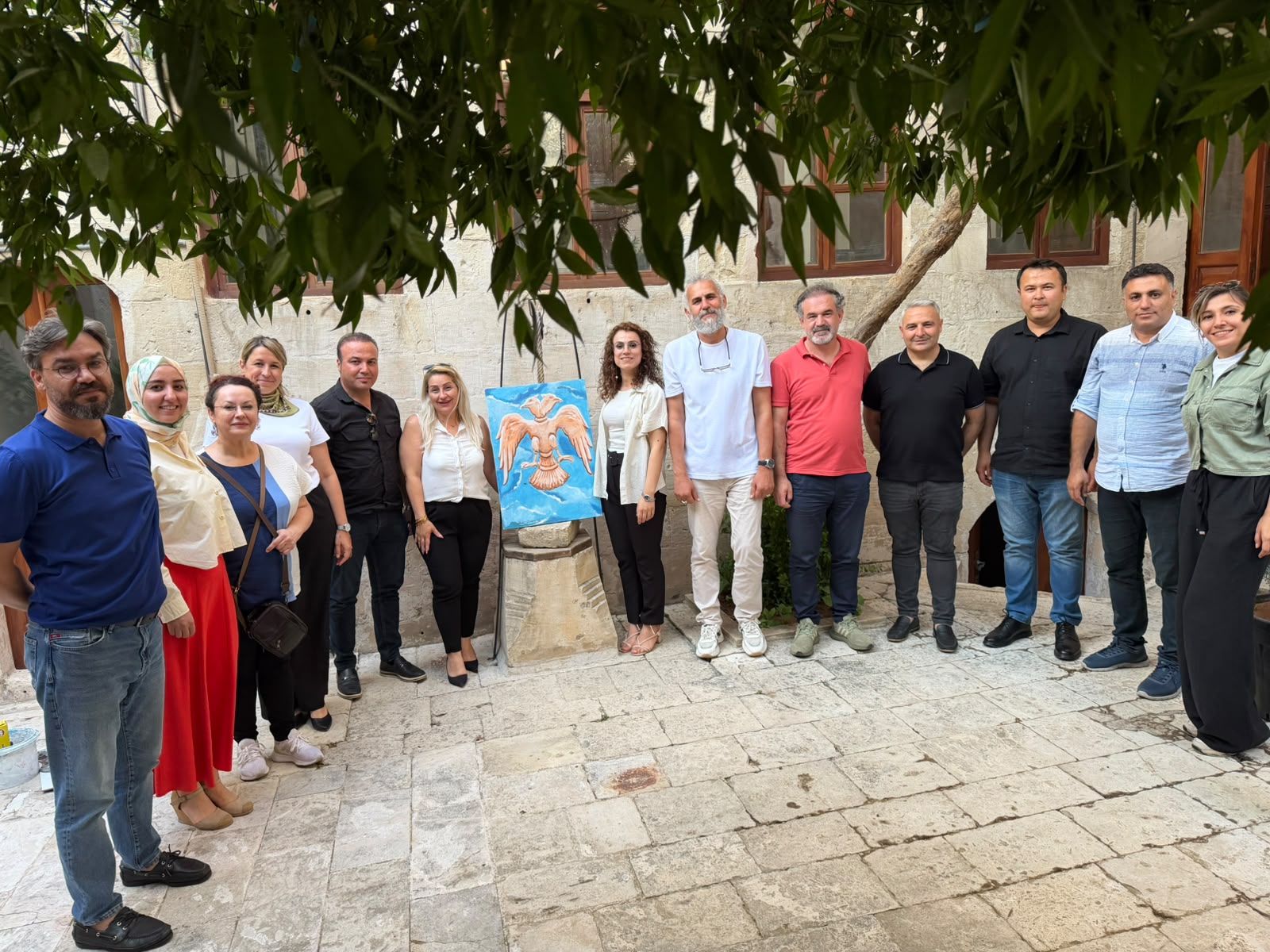
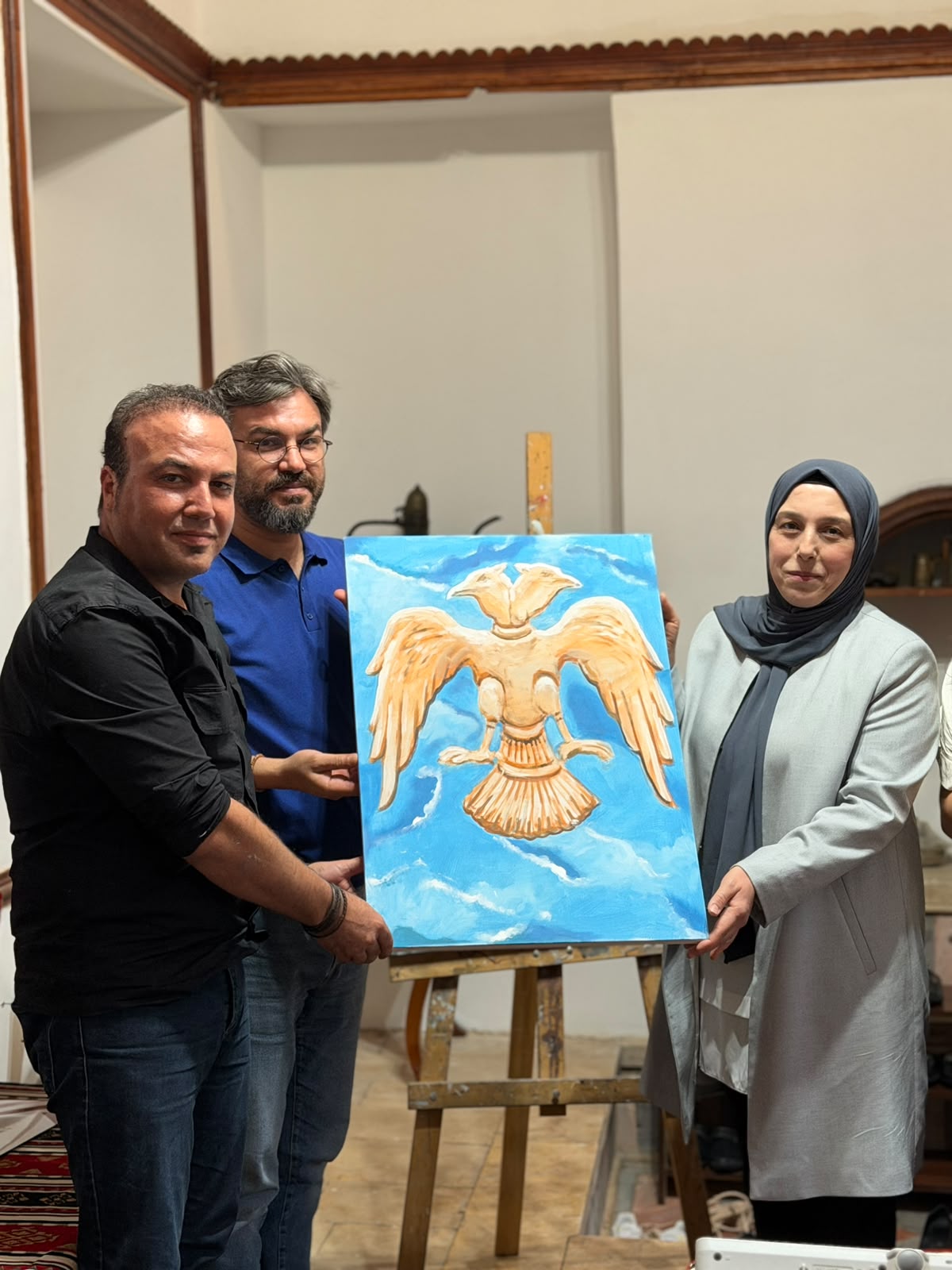
Our University’s Middle East Studies Application and Research Center (KODAM), in collaboration with the Middle East Studies Student Community, organized an event titled “Turkish Traces in the Middle East: The Seljuks and the Legend of the Double-Headed Eagle.” Dr. Abdullah Bayındır participated in the program as the keynote speaker, while painter Halil Gören conducted a live practical art demonstration as part of the event.
The event explored the double-headed eagle, one of the most remarkable symbols of Seljuk art, from historical, cultural, and artistic perspectives. The presentation examined the origins of the motif in Central Asian Turkish mythology, its significance in Shamanic belief, its use during the Anatolian Seljuk period, and its representations in the stone decorations of prominent historical monuments such as the Divriği Great Mosque, the Yakutiye Madrasa in Erzurum, and the Diyarbakır City Walls.
In the second part of the program, the widely held belief that the double-headed eagle served as the official emblem of the Seljuk State was examined in light of academic evidence. It was emphasized that, in medieval Turkic-Islamic states, symbols of sovereignty were generally associated with individual rulers and could vary from one reign to another. It was further noted that the use of the double-headed eagle not only by sultans but also by beys and royal women makes it difficult to regard the figure as the official state emblem of the Seljuk State.