Experience, Strategy, and Roadmap in TÜBİTAK Projects" Training Held at Our University
Experience, Strategy, and Roadmap in TÜBİTAK Projects" Training Held at Our University
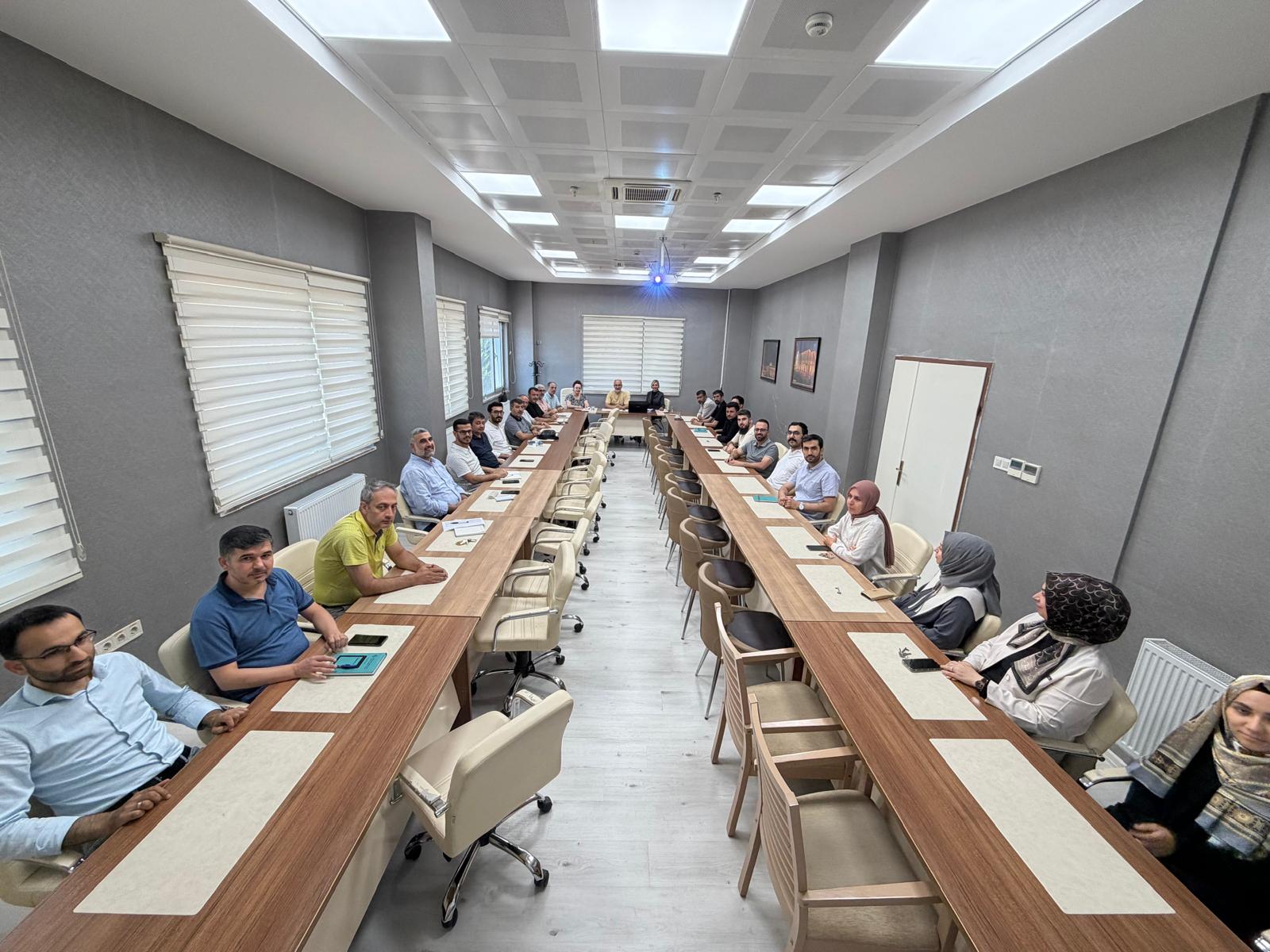
Our University's Project Support Office Coordination Unit organized a training program entitled "Experience, Strategy, and Roadmap in TÜBİTAK Projects" for the academic staff of the Faculty of Theology.
Held at the Faculty of Theology Meeting Hall, the program provided comprehensive information on TÜBİTAK research support programs, including application procedures, project idea development, selecting the most appropriate funding scheme, key principles of proposal writing, and evaluation criteria. The training covered the 1002-A Rapid Support Program, 3501 Career Development Program, 3005 Innovative Solutions in Social Sciences and Humanities Research Support Program, 1001 Scientific and Technological Research Projects Support Program, and the 2209-A University Students Research Projects Support Program.
In her opening remarks, Prof. Dr. Meryem Kuzucu, Coordinator of the Project Support Office, emphasized the importance of strengthening the project culture within the University, supporting academic productivity, and enabling researchers to benefit more effectively from national research funding opportunities.
The training was delivered by Dr. Hilal Sevlü, who shared her experience in preparing TÜBİTAK project proposals and discussed the entire proposal development process, from generating a project idea to preparing a competitive application. Her presentation focused on defining a clear research question, effectively presenting the project's originality and broader impact, developing a coherent methodology, planning the project budget, and managing the application timeline efficiently.
The program also featured discussions on potential TÜBİTAK project topics in the field of theology, interdisciplinary research opportunities in the social sciences and humanities, and strategies for transforming existing academic studies into competitive research projects. The interactive training concluded with a question-and-answer session and a comprehensive exchange of ideas among the participants.