
Our University is Preserving the Olive Genetic Resources of Kilis
Our University is Preserving the Olive Genetic Resources of Kilis
Located within one of the native regions of the olive tree, the province of Kilis possesses a remarkable olive genetic resource potential that dates back thousands of years. This valuable genetic heritage, which has not received sufficient attention until recent years, is now being protected through projects carried out by the Faculty of Agriculture and the Agricultural Application and Research Center of our University.
Genetic studies conducted on the Kilis Yağlık Olive, one of the most important olive cultivars of the region, have revealed that it is genetically related to the wild olives locally known as “Delice.” These findings indicate that the Kilis Yağlık cultivar was originally domesticated from wild olive populations found in this region. Breeding studies initiated by Kilis 7 Aralık University to further improve and preserve this valuable cultivar are currently ongoing.
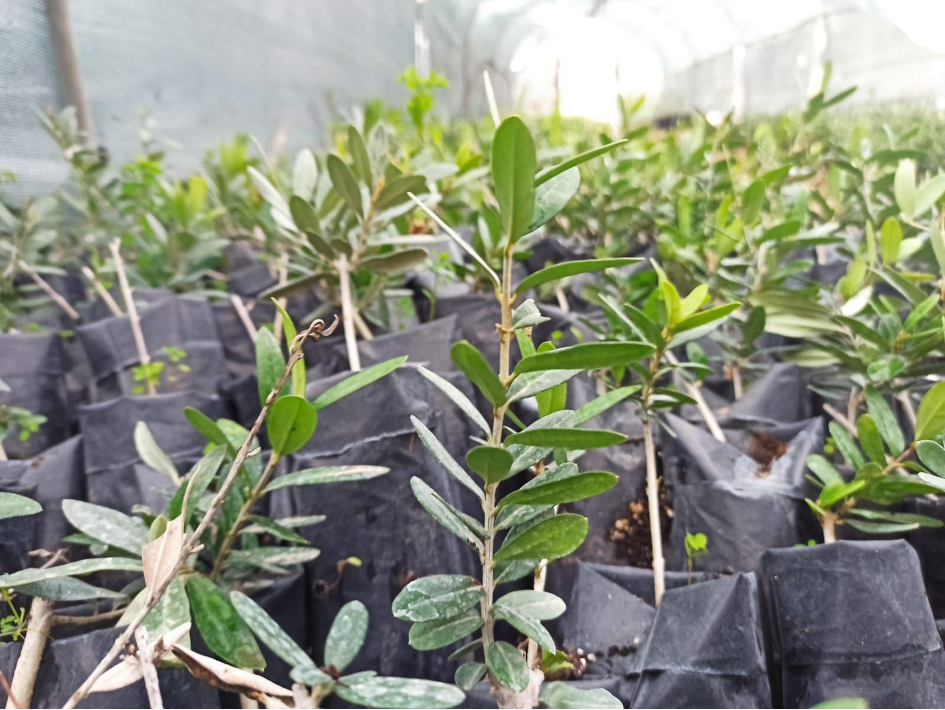
Through clonal selection studies conducted among Kilis Yağlık olive trees, superior genotypes characterized by higher productivity, lower incidence of fruit bead formation, and reduced tendency toward alternate bearing have been identified. Efforts to produce saplings from these selected clones have already begun.
In addition, as part of initiatives aimed at evaluating the wild olive potential of Kilis, Delice olive genotypes distinguished by high oil yield and elevated polyphenol content have been identified, and domestication studies on these genotypes are continuing. Furthermore, an Olive Genetic Resources Collection Orchard will be established within our University to ensure the conservation and sustainable utilization of these valuable genetic resources for future generations.