Talk on “An Ancient Tradition in Kilis: Âmin Çağırma” Held at Our University
Talk on “An Ancient Tradition in Kilis: Âmin Çağırma” Held at Our University
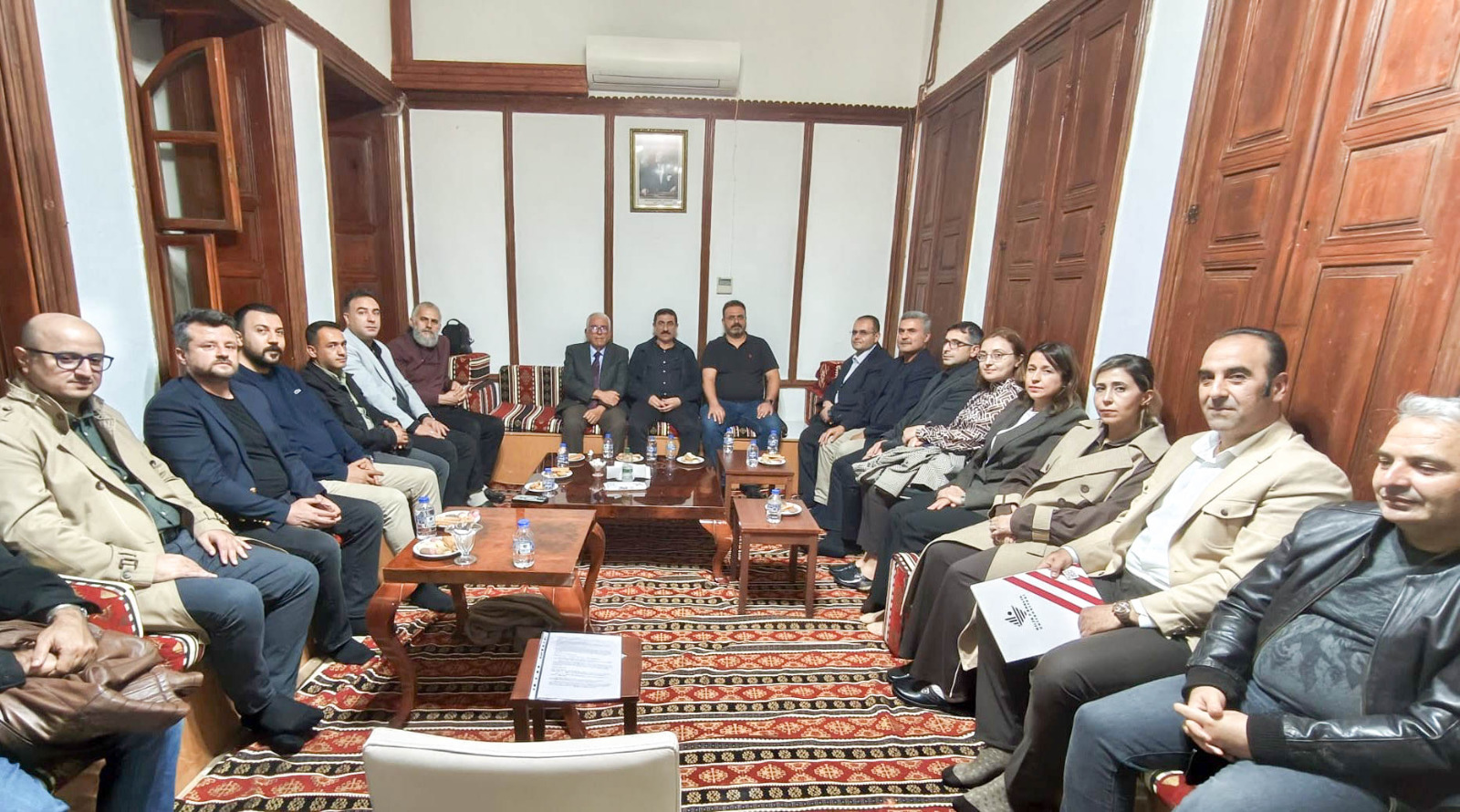
A talk titled “An Ancient Tradition in Kilis: Âmin Çağırma” was organized in cooperation with our University's Kilis History and Culture Application and Research Center (KİTAM), the Marifet Student Society, and the Kilis Branch of the Kilis Culture Association. The event featured Assist. Prof. Dr. Mustafa Tekçe as the speaker and was attended by our Rector, Prof. Dr. Zekeriya Akman.
The talk explored Âmin Çağırma, one of Kilis's longstanding religious and cultural traditions, focusing on its historical background and place in collective memory. Assist. Prof. Dr. Mustafa Tekçe discussed the origins of the word “âmin” (amen), its use in different religious traditions, and its significance in religious and cultural life.
Tekçe explained that the Âmin Çağırma tradition is observed particularly on the last Friday of Ramadan, when mosque imams take children up to the minarets, where they collectively respond “âmin” to recited devotional hymns and prayers. He highlighted the tradition's connections with mosques, Sufi lodges, and neighborhood culture, emphasizing its significance in the religious life and cultural memory of Kilis.
The talk also featured accounts of the religious and Sufi heritage of Kilis, highlighting the importance of preserving, documenting, and transmitting the city's intangible cultural heritage to future generations.
The program concluded with a session of reflections and evaluations.